


Special Research Area
Neo-Latin in the Modern World
In early modern Europe (approx. 1400–1800), Latin was no longer anyone’s mother tongue, but it was learned by all educated people at school and functioned as the common language of Europe, similar to English today. The amount of preserved texts in Latin from this period is many times more extensive than that of antiquity and the Middle Ages and represented the most important literature in Europe. Today, the language and literature are collectively referred to as ‘Neo-Latin’. Although Neo-Latin studies are only a few decades old, they have already made considerable progress in this short time. Nevertheless, they still struggle with two major problems: First, the cultural and everyday embeddedness of Neo-Latin has not yet been sufficiently researched and there is a lack of understanding of its diverse functions. Second, most Neo-Latin texts remain inaccessible to scholars from other disciplines who do not know Latin themselves. As a result, the findings of Neo-Latin studies have so far had little interdisciplinary impact.
This SRA aims to solve these two problems. The first will be addressed by a research programme whose seven sub-projects will jointly examine the interactions between Neo-Latin and central aspects of early modern culture and everyday life. Each subproject is carried out by one of the applicants. The individual projects deal with the symbiotic relationship between Neo-Latin and Ancient Greek, the oral use of Latin, Neo-Latin among women, Neo-Latin as a translation language and as a language of inclusion into Catholic culture, the emergence of different canones, and the reception of Neo-Latin language and literature up to the present day.
The second problem is solved by a digital platform that includes a large text corpus, transcription and translation programmes, various tools for text analysis and a chatbot specialising in Neo-Latin topics. With the help of these tools, scholars working on the early modern period can for the first time independently evaluate Neo-Latin texts for their respective research questions. By opening up the enormous potential of Neo-Latin literature to other disciplines in this way, the SRA integrates Neo-Latin studies into early modern studies in general and enables a more comprehensive understanding of the era as a whole.
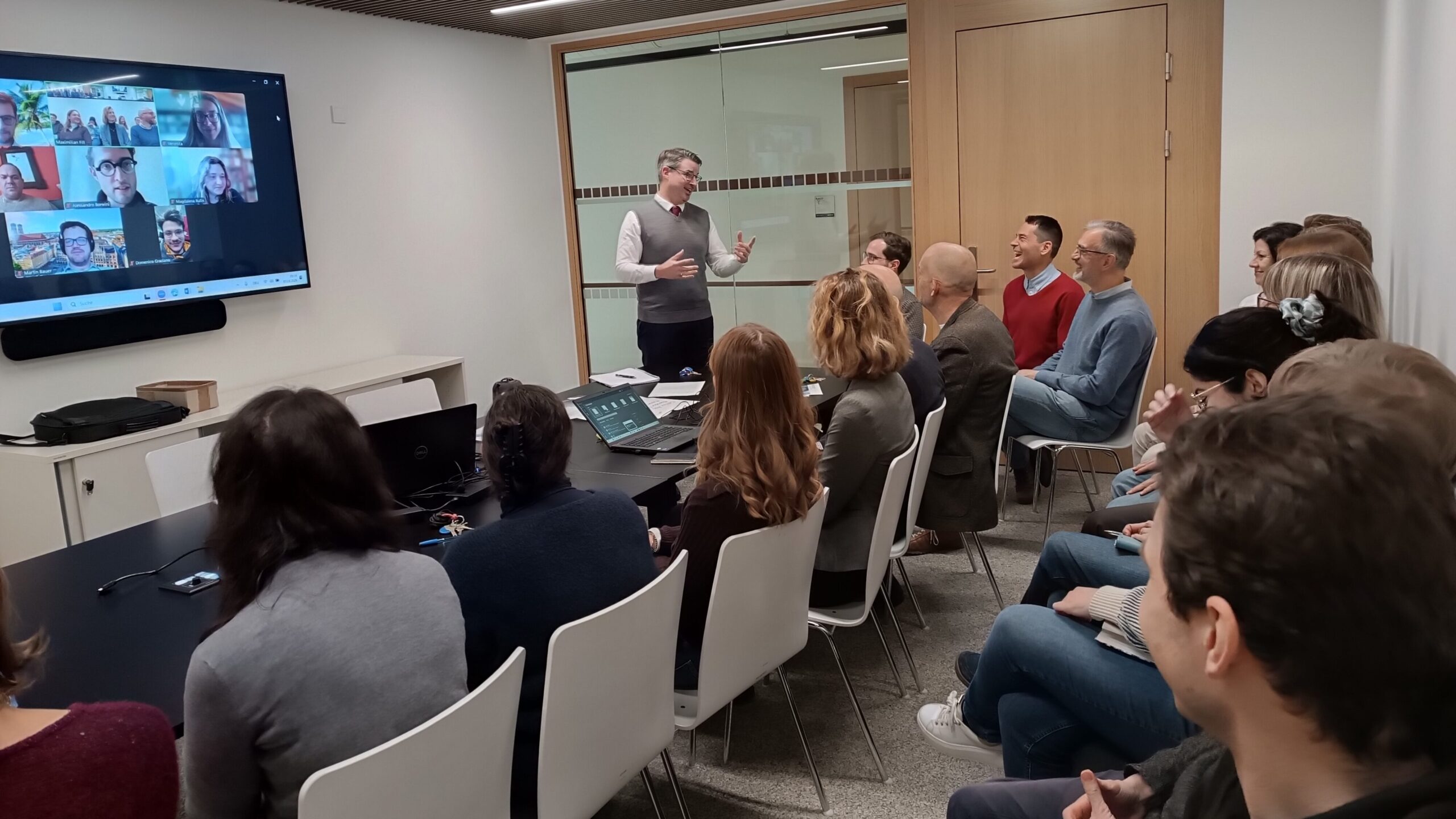
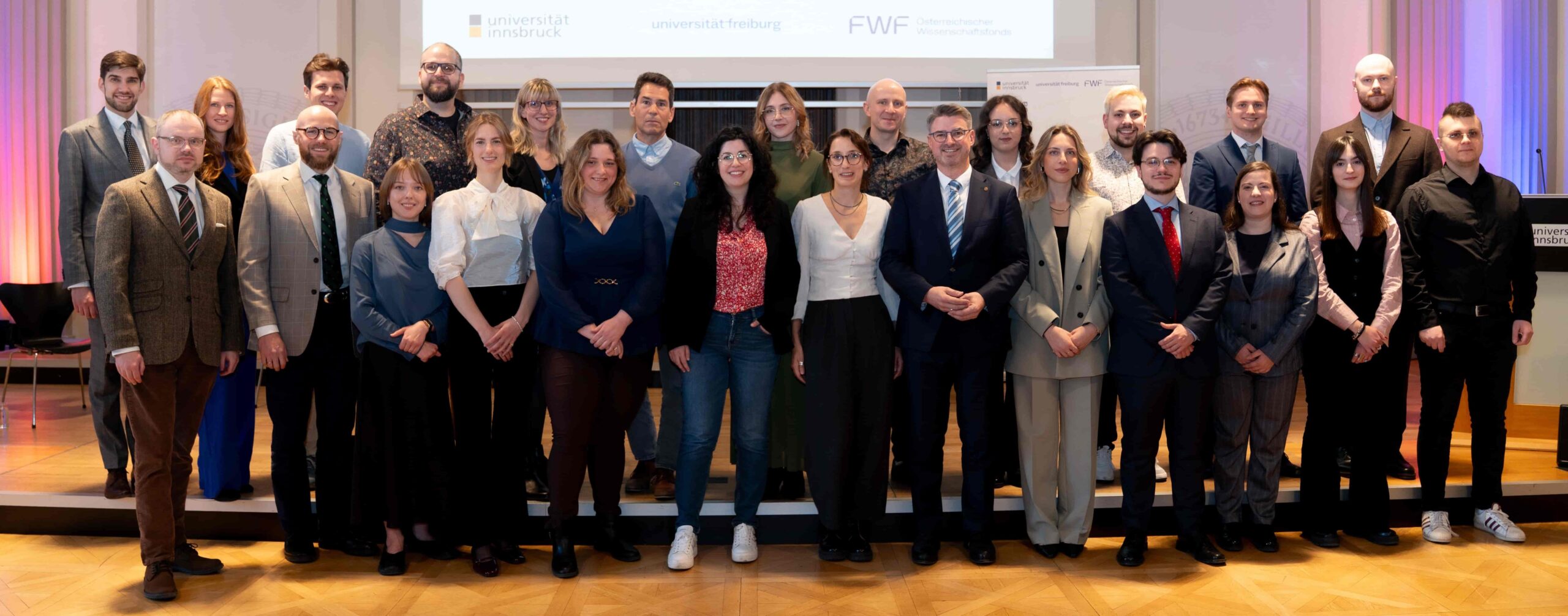
“We are glad to continue the great success of Ludwig Boltzmann Institute for Neo-Latin Studies“
Univ.-Prof. Dr. Florian Schaffenrath, speaker
Use our services and get in touch!

Database and Chatbot
We will build the biggest digital platform in the field of Neo-Latin studies.

Neo-Latin Newsletter
Don’t miss our upcoming events!

Fellowship Programme
You are a student or researcher in the field of Neo-Latin? Don’t hesitate to apply!