



In a new peer-reviewed article, ‘Virgo faciebat’: Artistic Self-Fashioning in Latin Inscriptions by Women Artists in Early Modern Italy, Hanne Berendse examines the Latin signatures of Sofonisba Anguissola, Lavinia Fontana, and Artemisia Gentileschi, three leading women painters of early modern Italy, and argues that they should be read as acts of literary self-fashioning. Combining philological and visual analysis, she shows that these inscriptions drew on the same humanist rhetorical conventions as those of male artists. Women’s use of Latin, she argues, should therefore not be seen as a separate, gendered language of artistic authorship, even if women had to operate within a narrower range of permissible self-representation.
The article forms part of a special issue of the Journal of Latin Cosmopolitanism and European Literatures on women as authors of Latin literature – alongside an essay by Jane Stevenson, a pioneer in the study of early modern women writers, and a report on the Interuniversity International Centre MedioEvA, a project that aims to recover overlooked female writers of the Middle Ages. Stephen Harrison (Oxford) served as respondent to the issue.
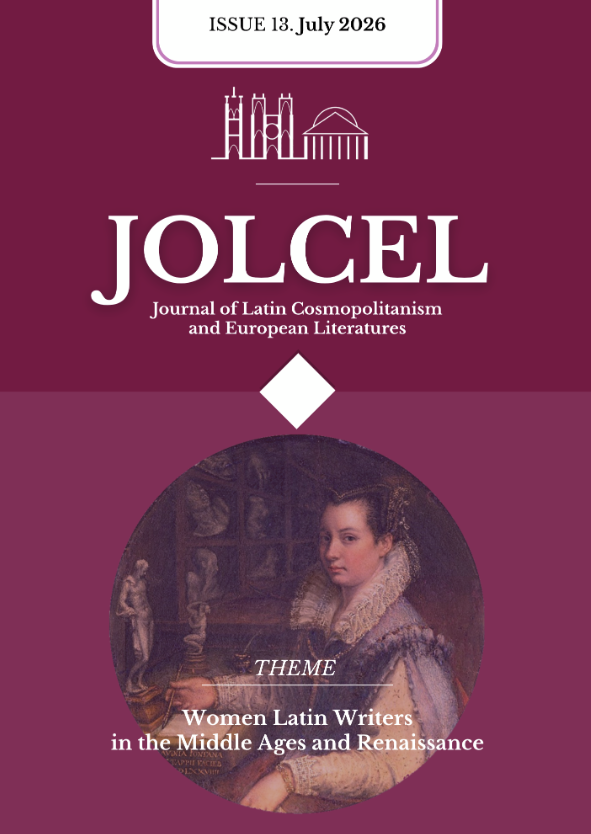
Harrison called the analytical framework Berendse proposes “convincing”, adding that the issue shows “what is possible now for the study of unjustly neglected Latin texts by female authors” as well as “the fruitful links that can be made with other fields of study such as art history”.
Berendse presented a condensed version of this paper at last month’s NeoLatina conference and gave an interview on her research to Die Presse, to be published in the coming weeks.