

This sub-project consists of the management team and the ditigal committee.
The digital platform serves as the central infrastructure for all research activities of the SFB. Aligned with the SFB’s two main objectives – the elucidation of Neo-Latin’s role in the early modern world and the integration of Neo-Latin Studies into early modern research as a whole – it fulfills two distinct functions.
Internally, it manages the data foundation for all eight sub-projects, integrating their texts and data while providing tools for analysis; this guarantees the coherence of the SFB’s research program. Externally, it serves as an interface with the wider academic community. By expanding its contents systematically for maximal usefulness, it positions itself as the go-to reference for all scholars interested in the early modern world, regardless of their proficiency in Latin. These goals are achieved through four core elements:
1. Text Corpus
At the core of the platform is the construction of the largest corpus of digitized and machine-readable Neo-Latin texts. Utilizing the AI-powered platform Transkribus, the project assembles a machine-readable document collection selected according to pragmatic criteria of scholarly relevance. Once fully implemented, the corpus will support advanced full-text searches, proximity queries, and automated named-entity recognition, enabling the exploration of themes, concepts, persons, and places across a wide range of contexts.
2. Structured Database
The corpus is complemented by a structured database of persons, works, translations, manuscripts, and printed editions, as well as relevant secondary literature. Implemented using Wikimedia technologies, it links to external resources such as Wikidata, Wikipedia, and other Neo-Latin digital projects. This component facilitates the analysis of textual production networks and the study of cultural and linguistic mediation across regions and periods.
3. AI Chatbot
The platform integrates an AI-powered chatbot based on Large Language Models (LLMs). Grounded in the curated data of the project’s database and text corpus, the chatbot provides translations from Latin and offers contextual information on texts, authors, and concepts. By lowering the barrier for engaging with Neo-Latin sources, this tool supports exploratory research and pedagogical applications while remaining transparent about the limitations of machine-generated output.
4. Curated Resources
Finally, a selected collection of digital tools and resources serves the broader research field. Unlike static lists, this collection is strictly curated and continuously updated to ensure long-term reliability. It includes the rectification of addresses and the removal of obsolete data. The collection includes, but is not limited to:
- Machine-readable Latin text corpora, such as the Corpus Corporum, CAMENA, Poeti d’Italia in lingua latina, CroALa, The Library of Humanistic Texts.
- Modern tools, such as dictionaries (e.g., Ramminger’s Neulateinische Wortliste), encyclopaedias (e.g., Brill’s English online version of Jäger et al. 2005–12), national biographies (Dizionario Biografico degli Italiani, Deutsche Biographie), bibliographic catalogues (e.g., USTC; VD16, 17, 18), indexes of names (e.g., Gemeinsame Normdatei) and abbreviations (Winiarczyk 1995), and image sources (Warburg Institute Iconographic Database).
- Early modern resources (as scans or, when available, machine-readable transcripts), which often reflect the state of knowledge and the mindset of their own time more precisely and in greater detail than modern ones, e.g., dictionaries, encyclopaedias, bibliographies, and historiae litterariae (cf. the thesaurus section of CAMENA).
Publications
Talks
- Hörmann, Andreas: A Digital Companion to Neo-Latin & New Ancient Greek: The Neo-Latin in the Modern World Database, Erasmus+ BIP Codex and Code, Patmos, 17 September 2026.
- Graziano, Domenico: Dedicatory Politics: Melanchthon, Grynaeus, and Erasmus Behind the Scenes of the 1531 Froben Livy, The Froben Publishing House and Roman History in Renaissance Basel, All Souls College Oxford, 4 September 2026.
- Graziano, Domenico: Transkribus: an AI Ally for our Magnifica Humanitas?, Aurora Summer School NeoLEMoS, Innsbruck, 26 July 2026.
- Graziano, Domenico and Shadrin, Lev: Transkribus training, Aurora Summer School NeoLEMoS, Innsbruck, 26 July – 1 August 2026.
- Migliazza, Ada: Late 19th-century Neo-Latin poetry and the auctoritas of Humanists: the case of Pascoli’s Carmina vis-à-vis Carducci’s school, AKMe, Salzburg, 27 June 2026.
- Foggia, Antonia: The Formation of the Neo-Latin Canon through the Lens of Ciceronianism, AKMe, Salzburg, 27 June 2026.
- Graziano, Domenico and Purcaro, O. Lorena: Introdurre Euclide nel Rinascimento. Mediazione paratestuale tra scienza greca e cultura moderna in latino, Transfer of Knowledge in Auxiliary Texts to Greek and Latin Literature (14th–16th c.), Catania, 05 June 2026.
- Foggia, Antonia: Nel laboratorio di un magister quattrocentesco: tracce dell’attività didattica in un commento anonimo quattrocentesco a Ovidio e Virgilio, doctoral conference ‘Leggere, scrivere, studiare. L’attività intellettuale e le sue tracce’, Roma Tre University, 7 May 2026.
- Pierl, Maximilian: Lehrgedicht, gelehrte Dichtung, gedichtete Lehre? Zur Definition und Poetik neulateinischer Lehrepen – Ein Problemaufriss, 45th Metageitnia, Innsbruck, 17 January 2026.

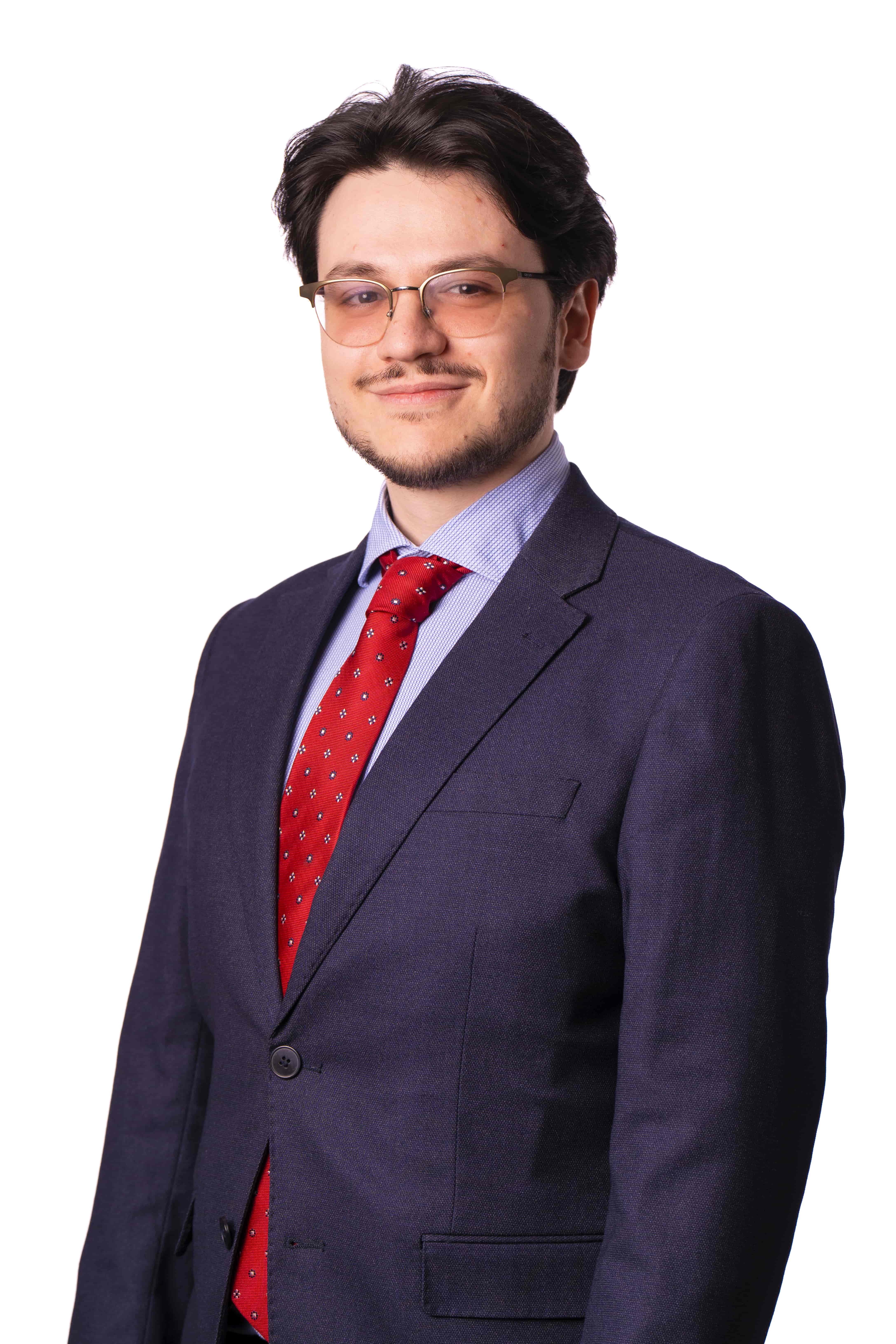
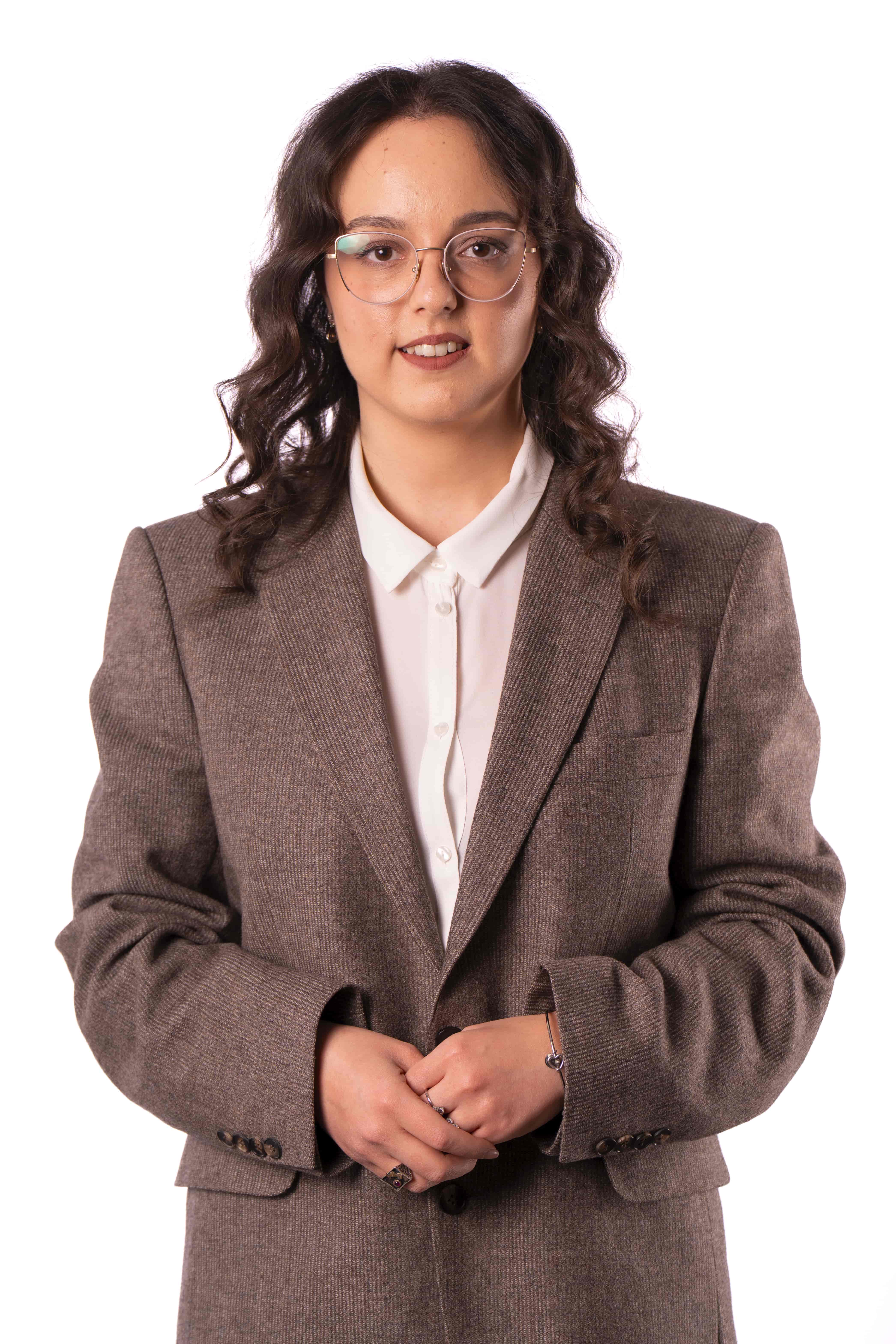
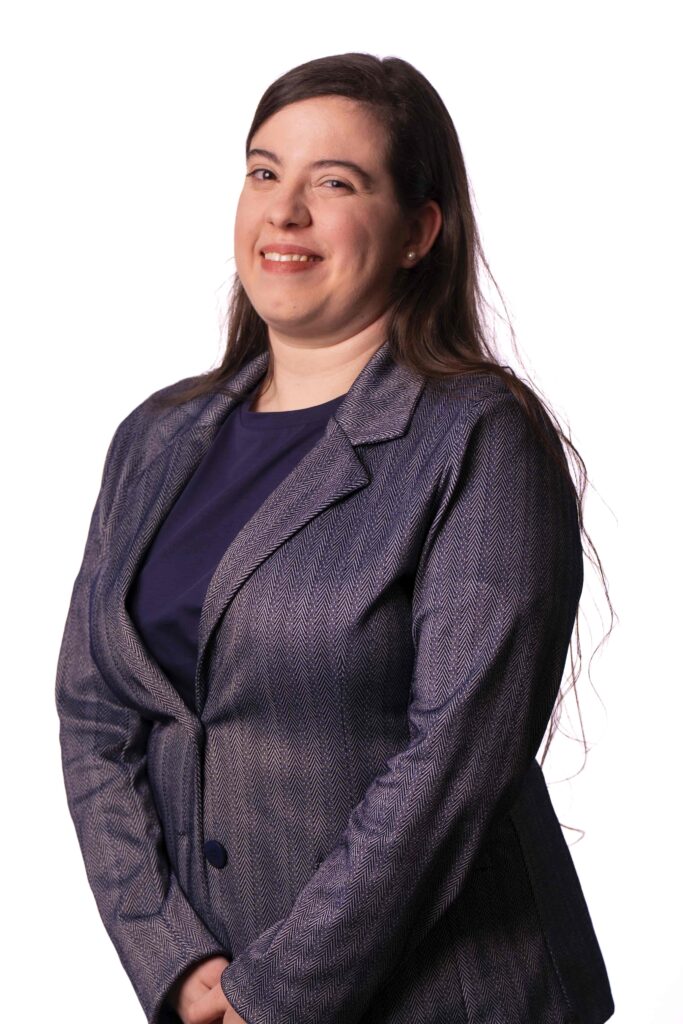



Sub-Project 1’s Contributions and Activities
-
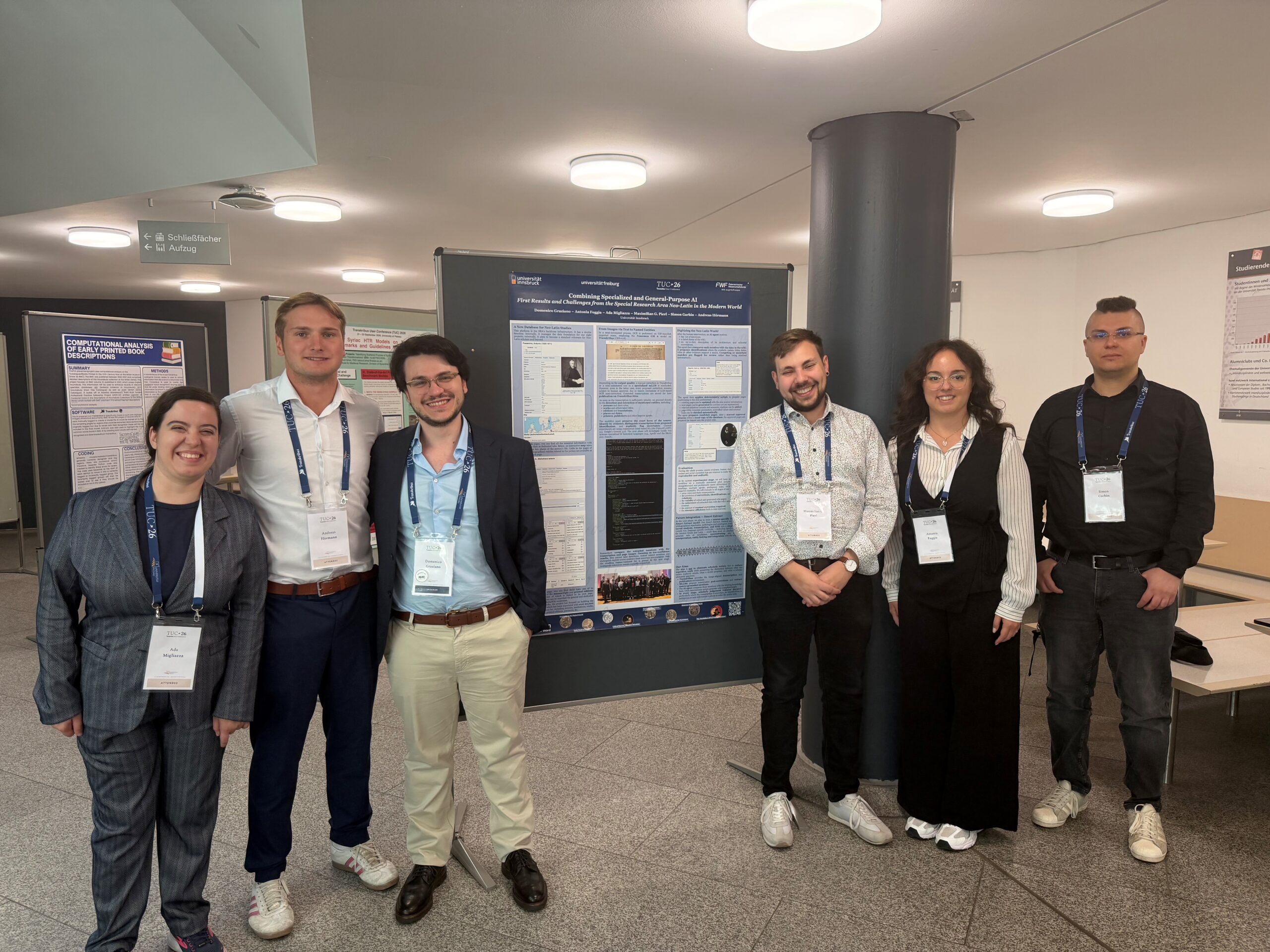
The research team from SP1 recently concluded a fruitful participation at the Transkribus User Conference 2026 in Passau (September 21–23). Reflecting the event’s core theme on the differences and synergies between AI technologies, our researchers presented a poster detailing the AI-augmented pipeline currently under development for the Neo-Latin in the Modern World Digital Platform. The presentation outlined…
-
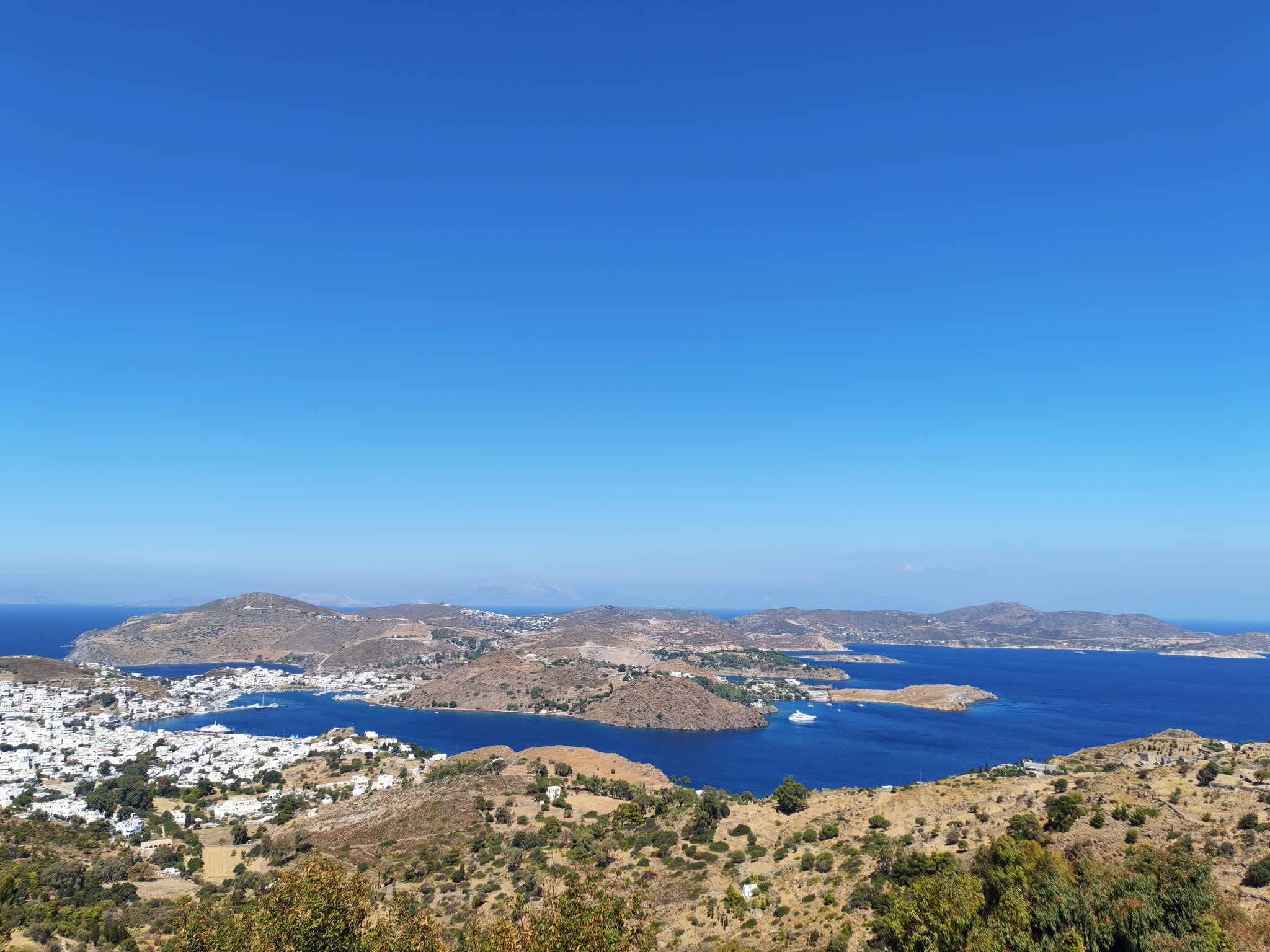
From the 14th to the 18th of September the Erasmus+ Blended Intensive Programme (BIP) Codex and Code, organized by the Democritus University of Thrace (Greece) and carried out jointly with the Historical and Palaeographical Archive of the National Bank of Greece, took place on the Greek island of Patmos. The programme aims to provide insights…
-
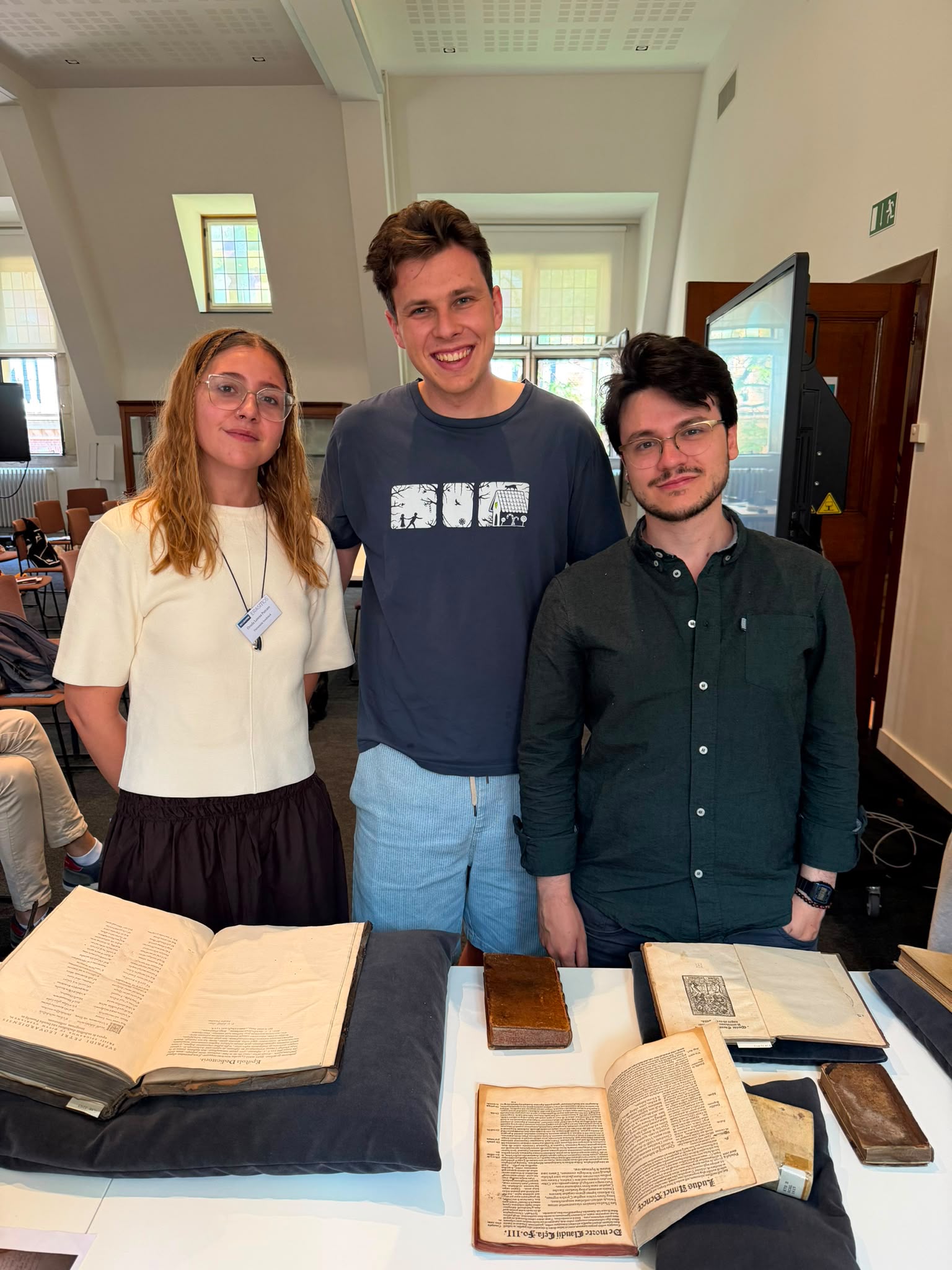
From July 13 to 17, our team members Domenico Graziano, Tobias Heiss, and O. Lorena Purcaro participated in the ERASMOS Summer School on Classical Bilingualism at KU Leuven. The five‑day program explored code-switching, translation, and other manifestations of Latin–Greek bilingualism with leading international scholars. Next to a guided city tour with the organizer Raf Van…
-
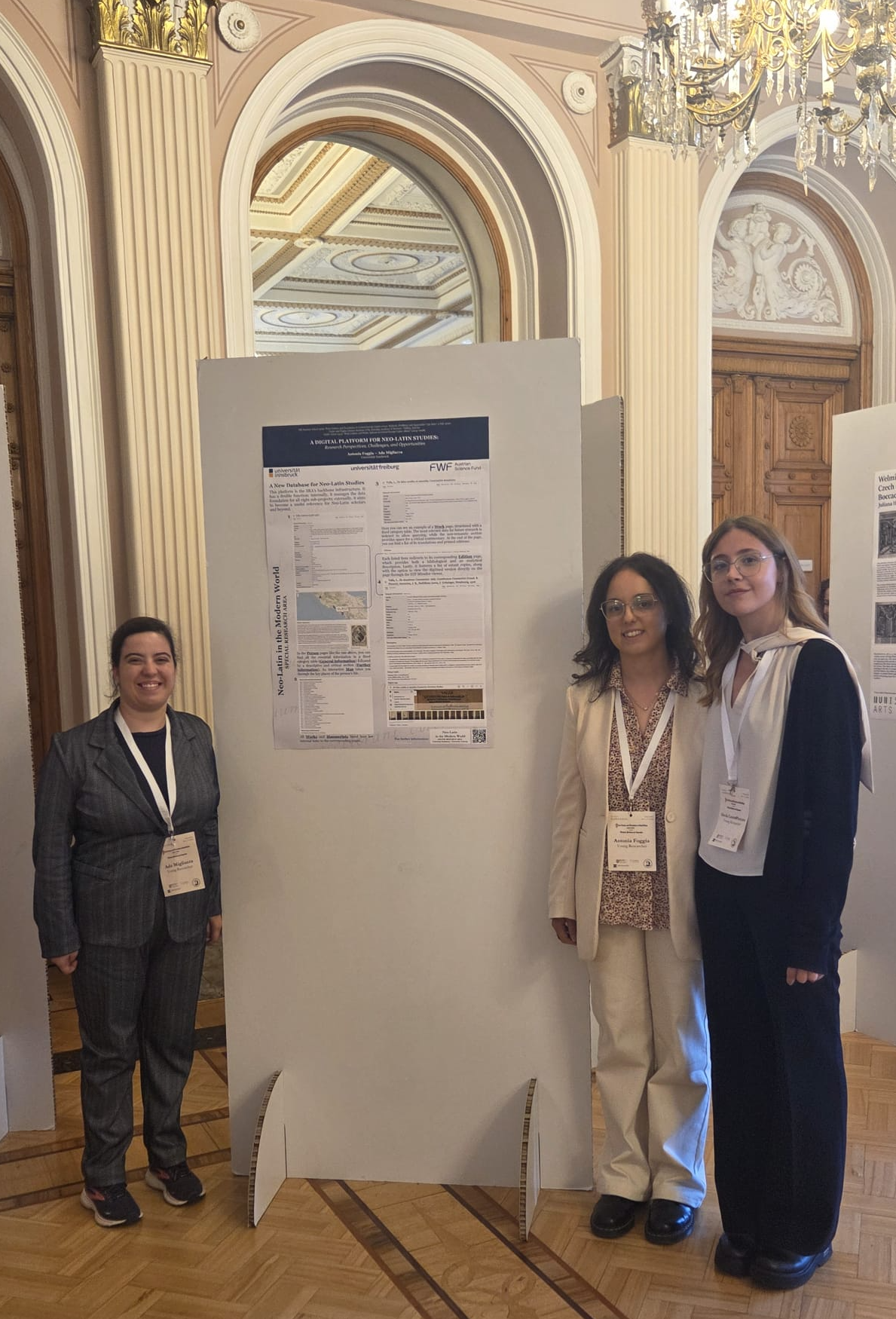
Our researchers Antonia Foggia, Ada Migliazza, and O. Lorena Purcaro actively took part in the YRI Summer School “Print Culture and Translation in Central Europe (1500–1700): Methods, Problems and Approaches”, (Tallinn, 30 June–3 July 2026), organised by the COST Action CA23137 – PCPSCE and hosted by the Under and Tuglas Literary Institute of the Estonian Academy…
-
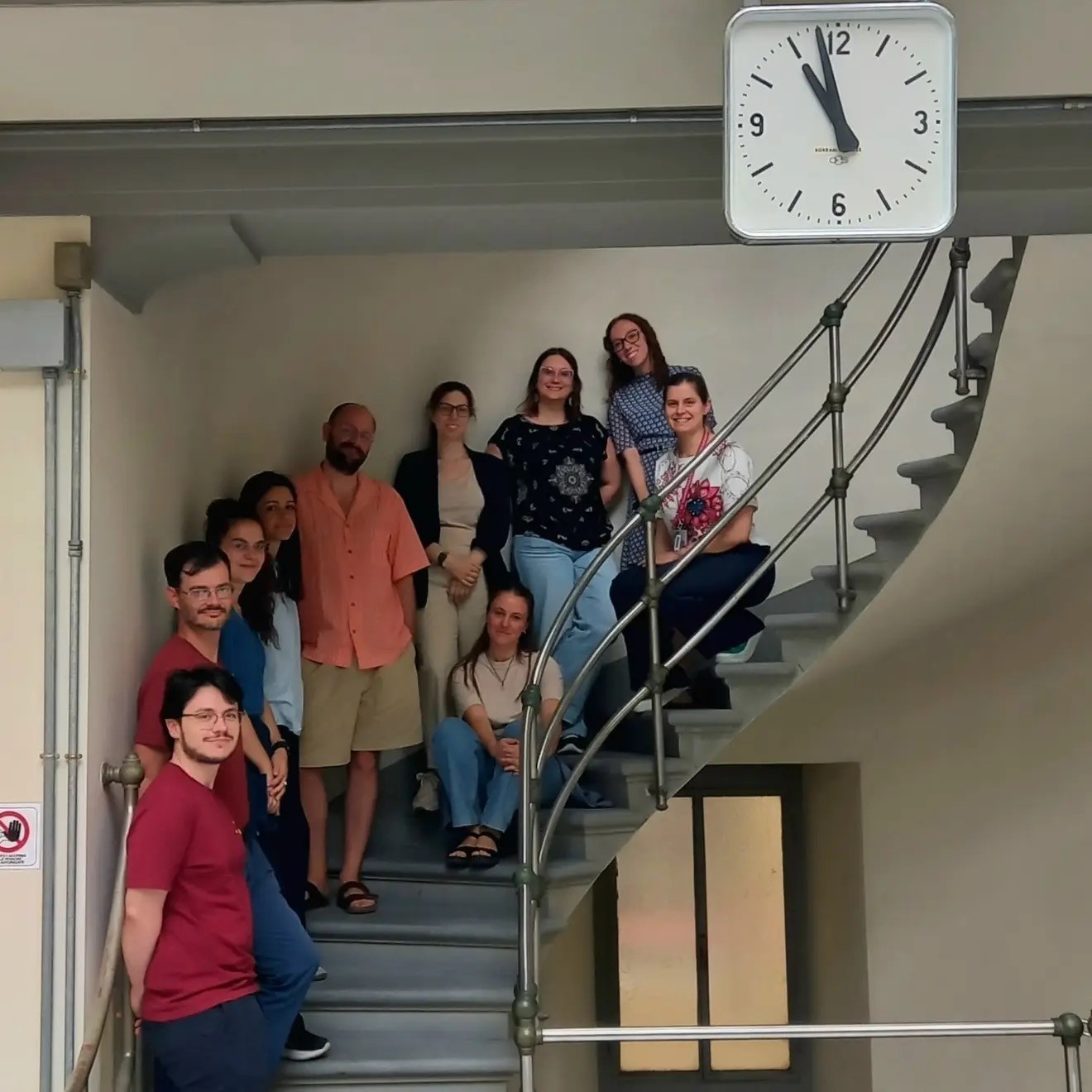
From 29 June to 3 July, Domenico Graziano participated in the summer school “1966-2026. Frammenti dall’alluvione di Firenze”, organized by the Florence National Central Library, with the partnership of the Associazione Italiana Manoscritti Datati, the Ente Nazionale Giovanni Boccaccio, and the Istituto Nazionale di Studi sul Rinascimento. Together with the other participants, our researcher trained in state-of-the-art tools…
-
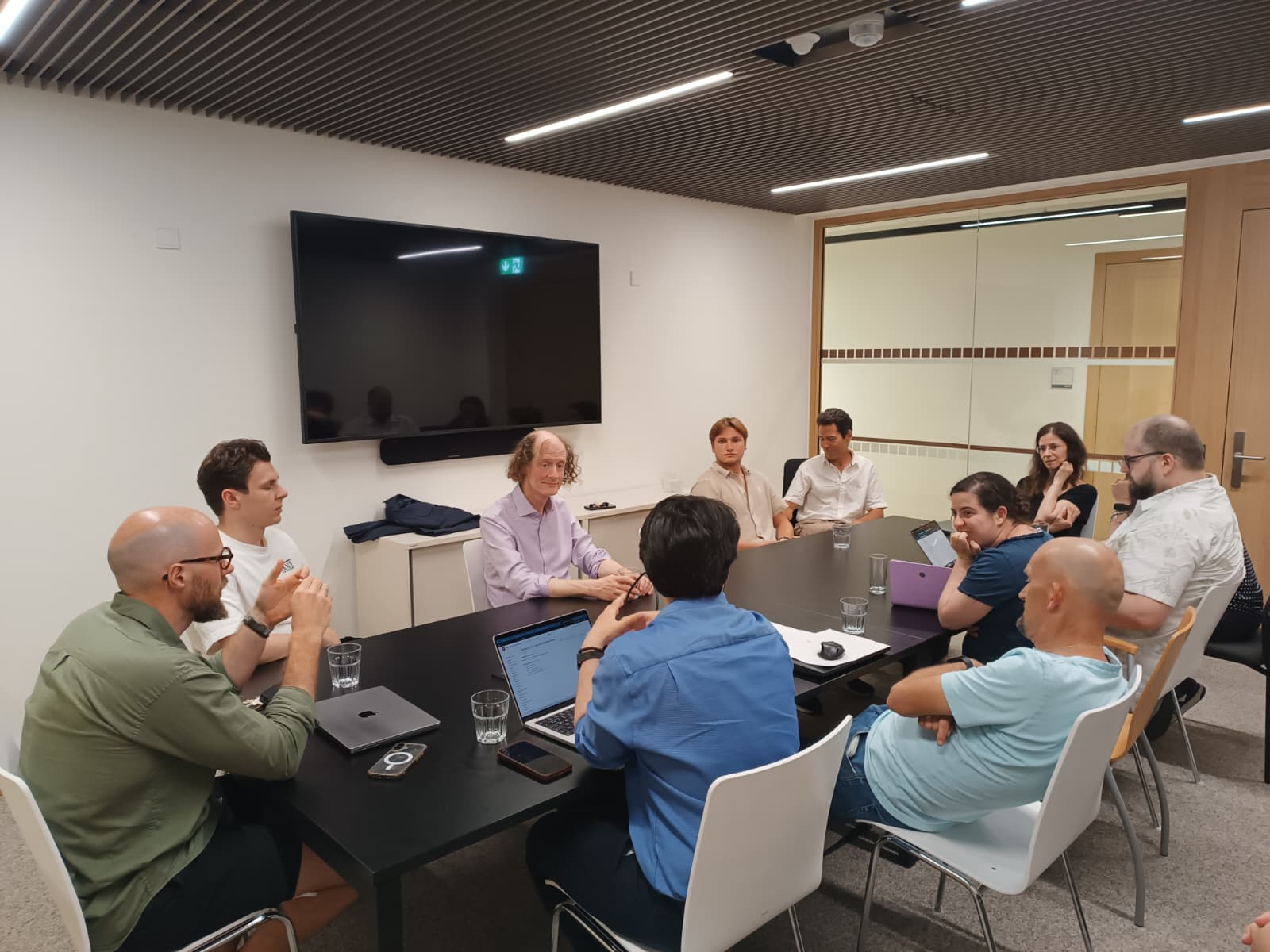
On 25 June, ancient historian and papyrologist Anna Dolganov from the Austrian Archeological Institute and computational linguist David Smith from the Northeastern University in Boston visited the SRA and presented APOLLO, their brand-new LLM for Greek, in a guest lecture. Plans are underway to extend this model to Latin. During a discussion between the guests…
-
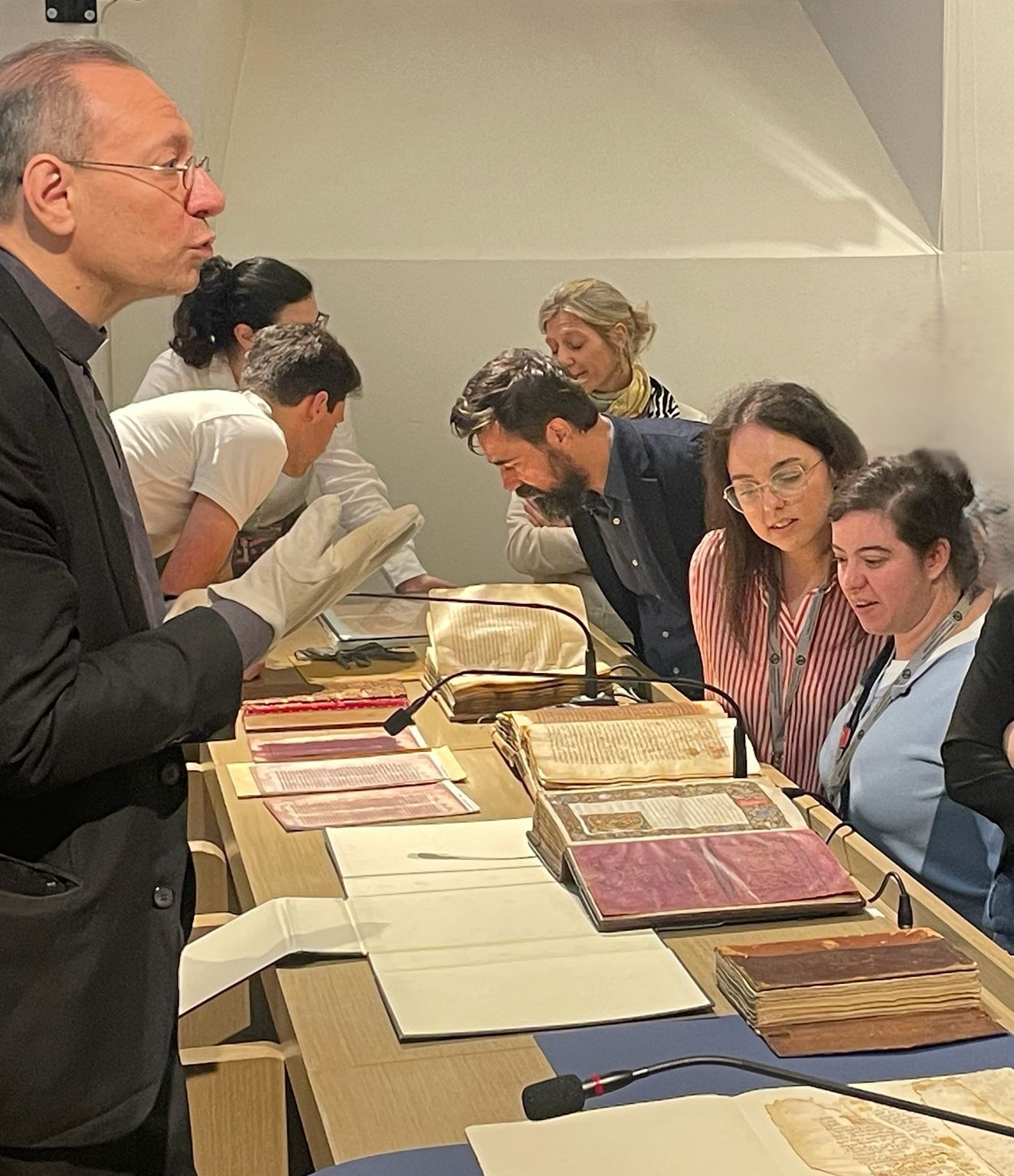
Antonia Foggia and Ada Migliazza, predoc researchers in SP 1 (Coordination Project), took part in the Summer School INtegrating TRAditional and Digital Approaches in Manuscript Studies (INTRADAMS), held at the University of Milan from 8th to 19th June 2026, in collaboration with the Department of History and Cultures of the University of Bologna and the University…
-
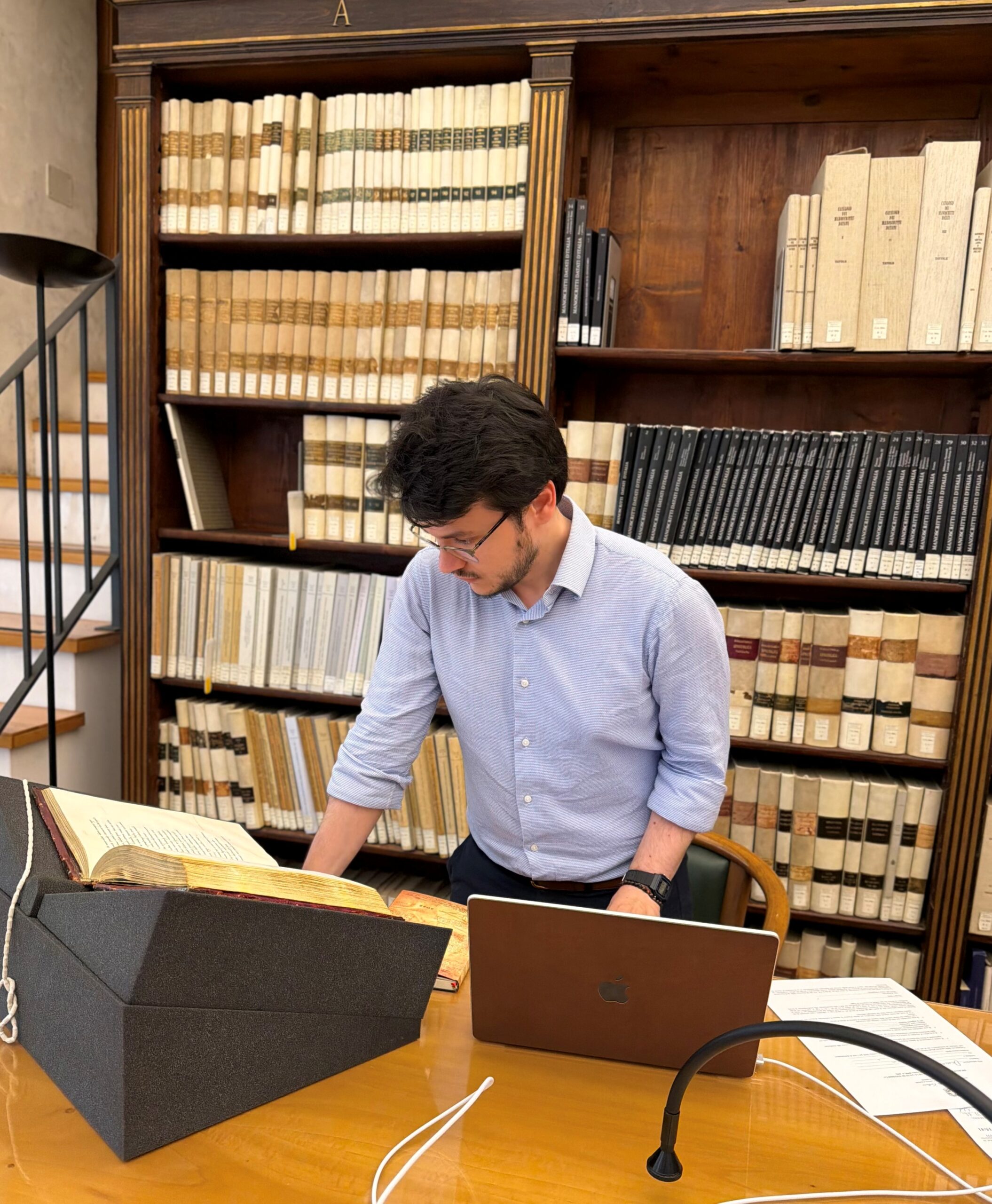
Domenico Graziano (SP1 – Coordination Project) recently completed a period of training and scientific collaboration in Florence at SISMEL (International Society for the Study of Medieval Latin) and the Biblioteca Medicea Laurenziana (8–11 June), as part of the 11th International Training Course on Manuscript Studies. During his stay, under the supervision of Prof. Gabriella Pomaro (SISMEL),…
-
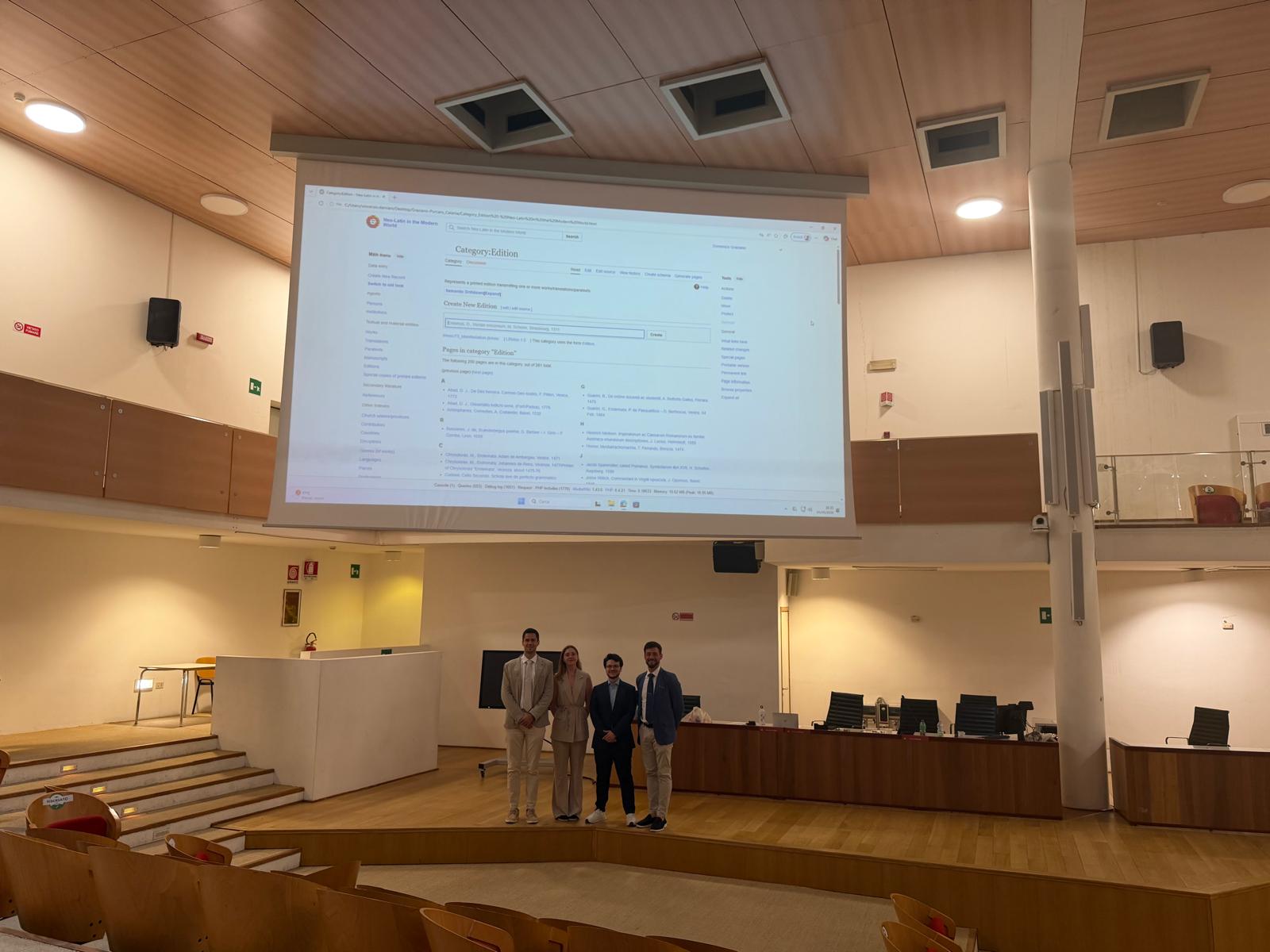
Domenico Graziano (SP1 – Coordination Project) and Orsola Lorena Purcaro (SP5 – Neo-Latin Translations – Bilingual Books for Early Modern Readers) participated in the international conference Transfer of Knowledge in Auxiliary Texts to Greek and Latin Literature (14th–16th c.): The Making of the Late Medieval and Renaissance Canon, organized by Giandamiano Bovi and Vincenzo Damiani (Catania, 4–5 June…