


Category: Florian Schaffenrath
-
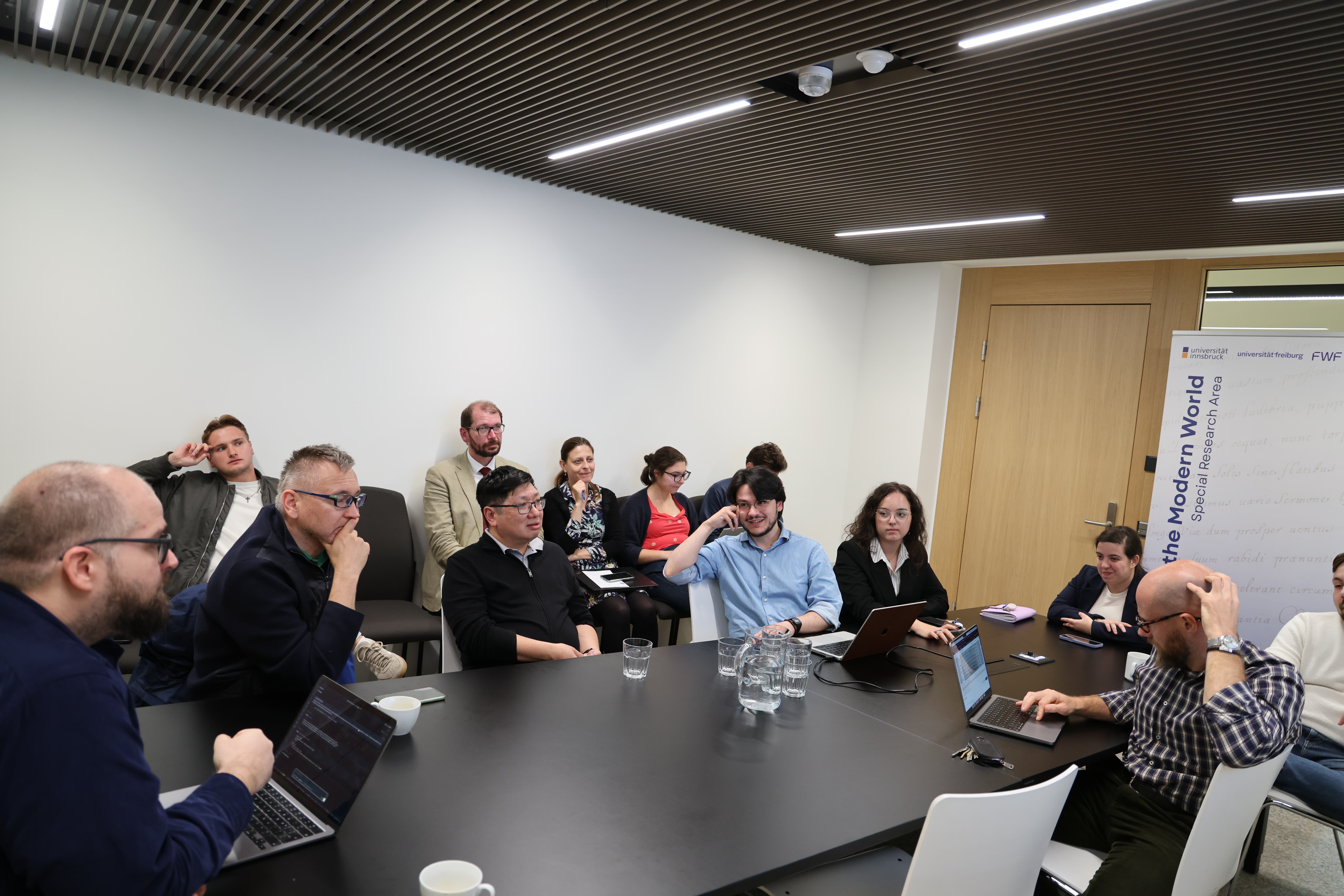
The SRA team recently met with Adam Jatowt and Joseph Wang-Kathrein from the Forschungszentrum Digital Humanities for a productive exchange on current digital workflows and infrastructure. During the meeting, the SRA’s digital committee introduced the Neo-Latin in the Modern World Semantic MediaWiki, discussing its underlying technical architecture and the implementation of new tools to query,…
-
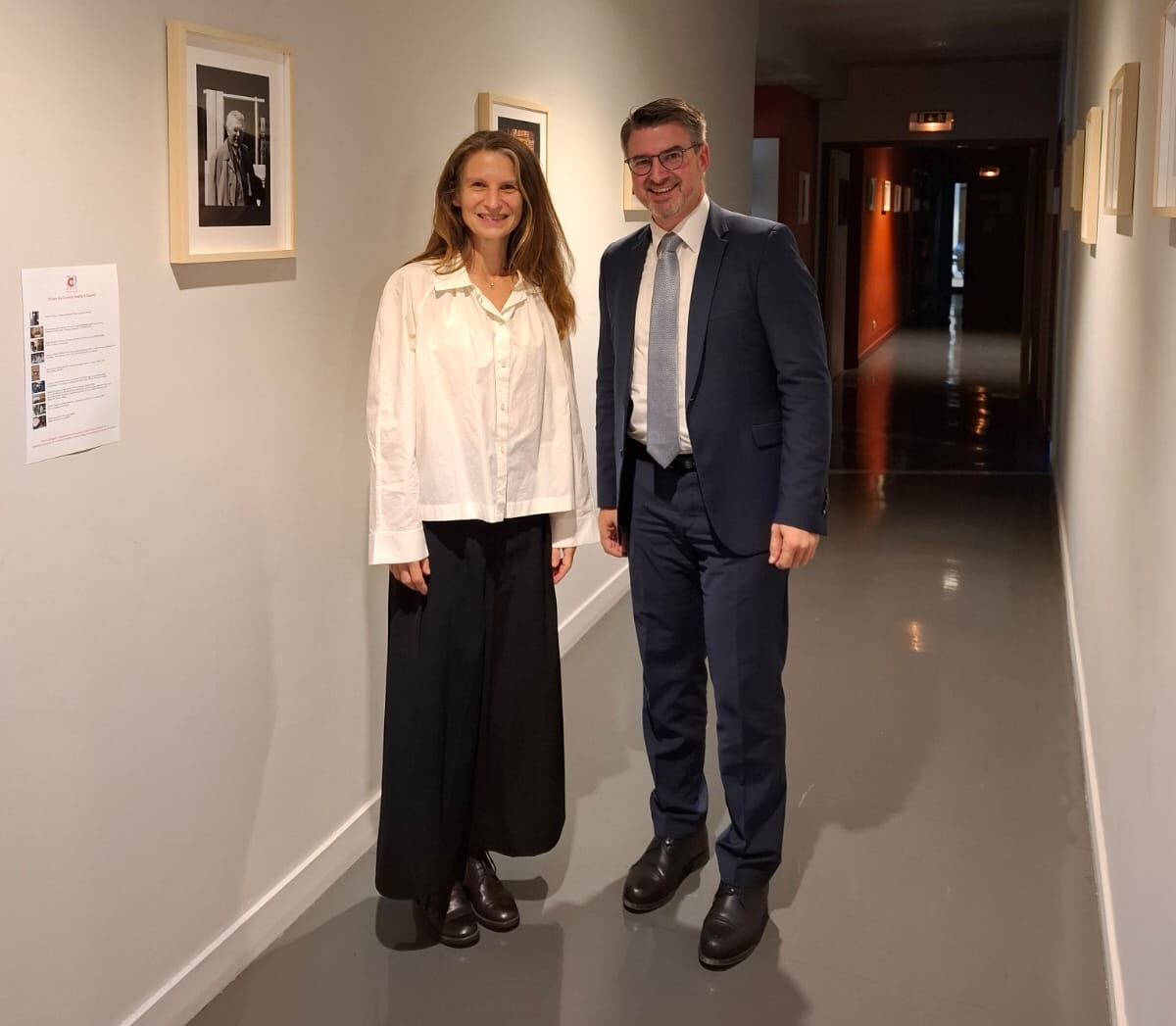
The conference “De la norme à l’œuvre. Élection et fonctions des canons d’auteurs et d’artistes antiques de l’Antiquité à nos jours” took place in Paris from 14 to 16 October 2026. There, Florian Schaffenrath gave a paper entitled “Les commentaires humanistes comme sources de la Kanonforschung historique”. The organisers, Émilie Séris (on the picture here with Florian…
-
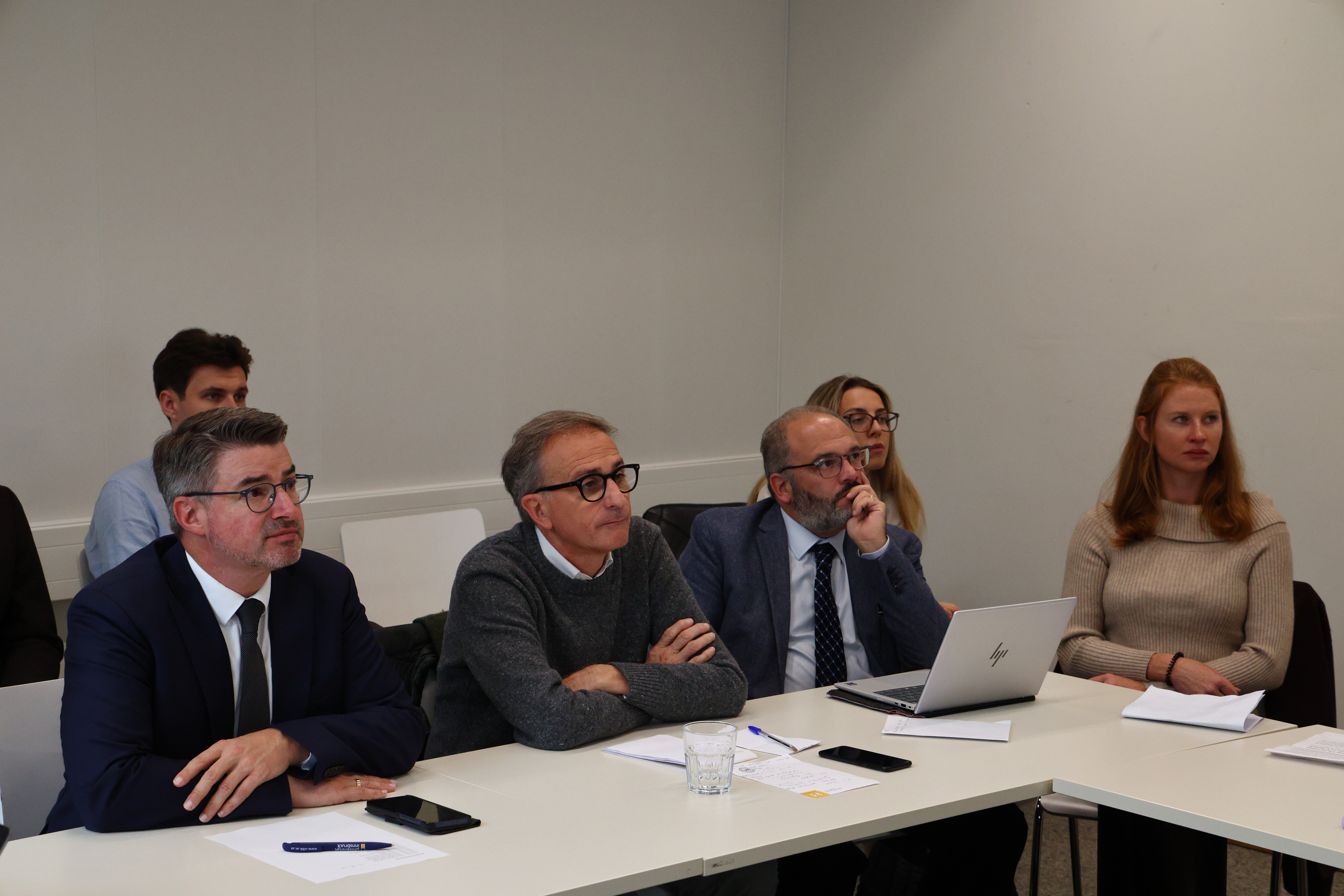
On 9–10 October 2026, the first meeting with the Advisory Board took place. Following an informal opening over dinner with the Board members, Florian Schaffenrath was able to give the guests, who had travelled to Innsbruck from all over the world or joined online, an overview of the developments since the SRA was established in…
-

On 25 September 2026, Salome Meyer, the Swiss Ambassador to Austria, visited our institute together with Fabian Leimlehner, Honorary Consul of Switzerland in Tyrol, and was briefed on the Lemnius project, which represents an ideal collaboration between Chur and Innsbruck. Also joining us were senior representatives of our university, Vice-Rector Gregor Weihs, Vice-Rector Dirk Rupnow,…
-
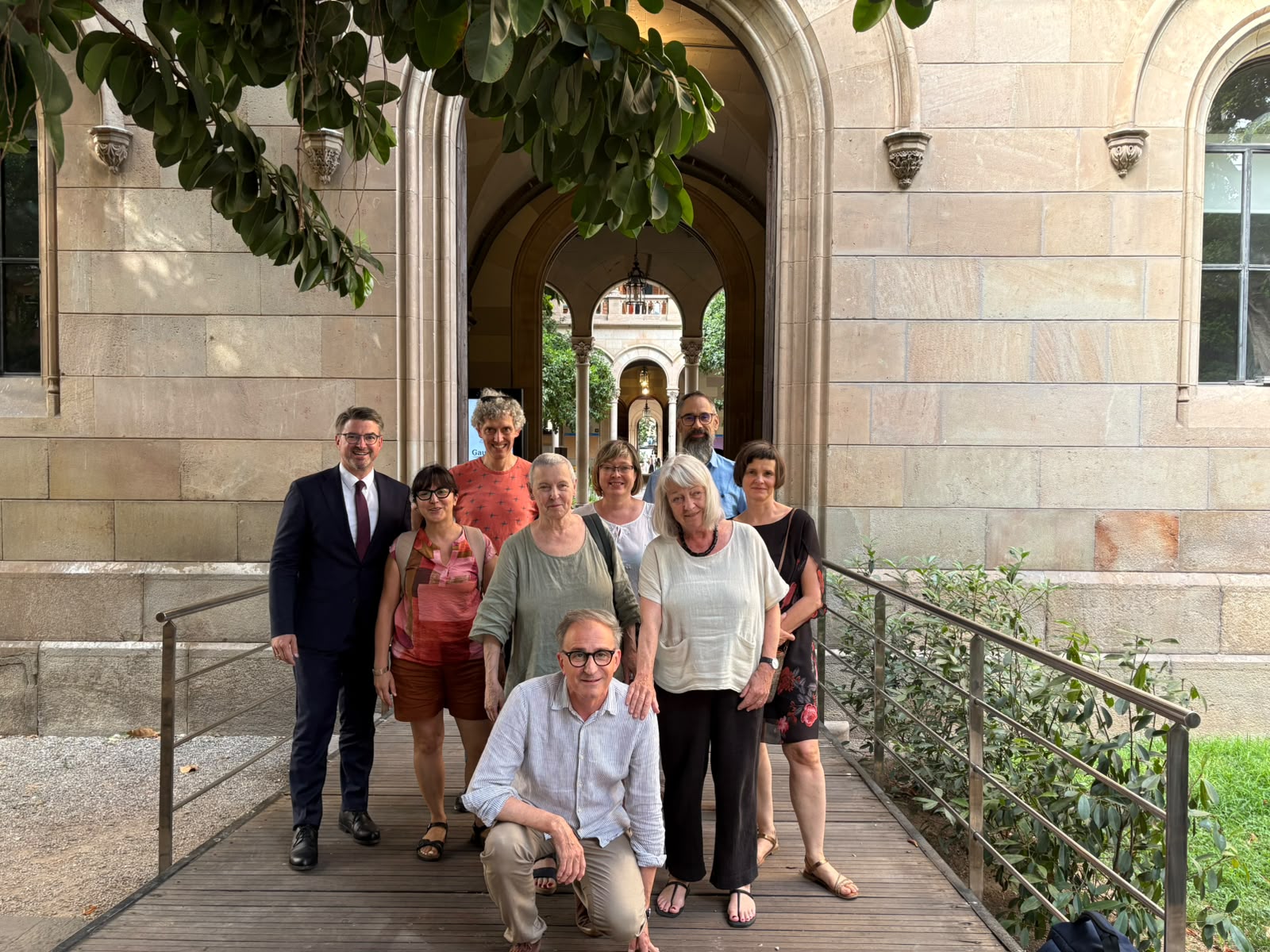
From 14–16 July 2026, the members of the IANLS Executive Committee gathered in Barcelona for their annual meeting. At the invitation of our President, Alejandro Coroleu, the committee met in the beautiful facilities of the University of Barcelona. A major item on the agenda was the preparation of the next IANLS Congress, which will be held in Kraków in 2028. Florian Schaffenrath reported on the progress of…
-
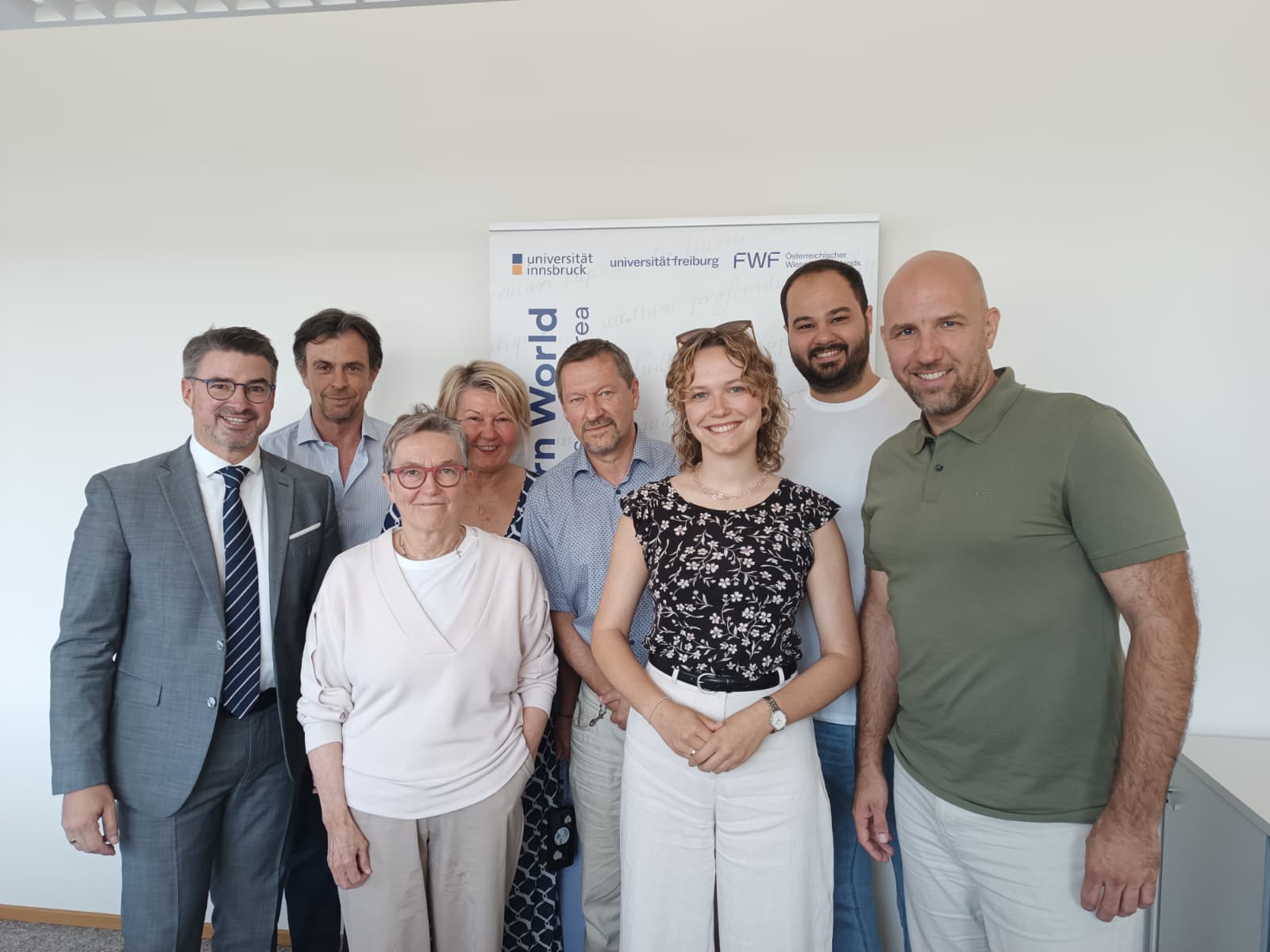
One of the aims of the “4K Schwaz” cultural association is to highlight the significance of the Franciscan monastery for the intellectual and cultural life of Schwaz and to remind the local population of this. The monastery’s Latin chronicle, which provides a continuous account from the monastery’s foundation in 1507 to the present day, is…
-
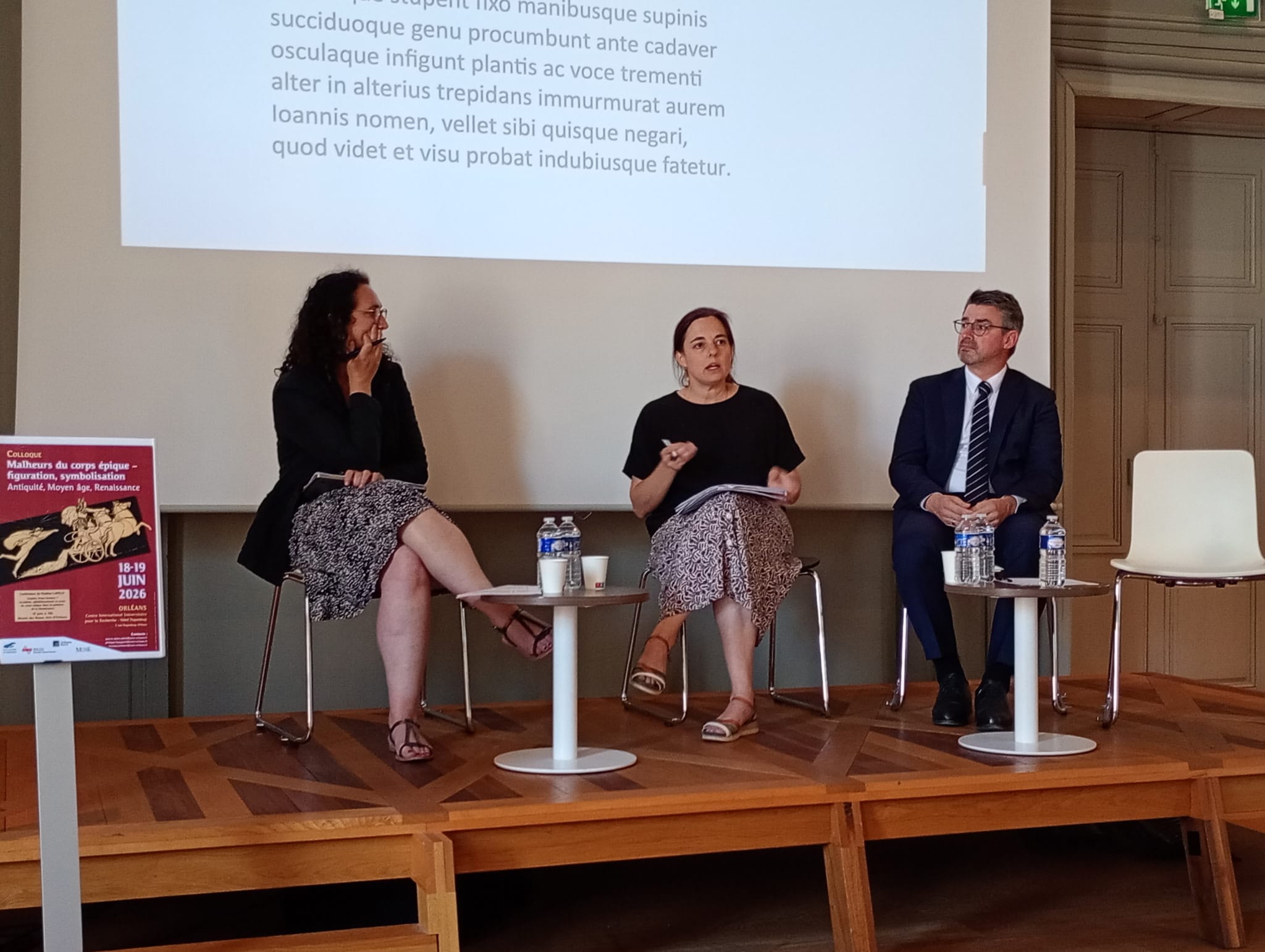
From 18 to 19 June 2026, our colleagues in Orléans organised a conference on the theme of ‘The Suffering of the Epic Body’ (Malheurs du corps épique). Over the course of two days, the speakers explored the theme of the body and its disfigurement in epic poetry. In addition to ancient Greek and Roman epics, the…
-
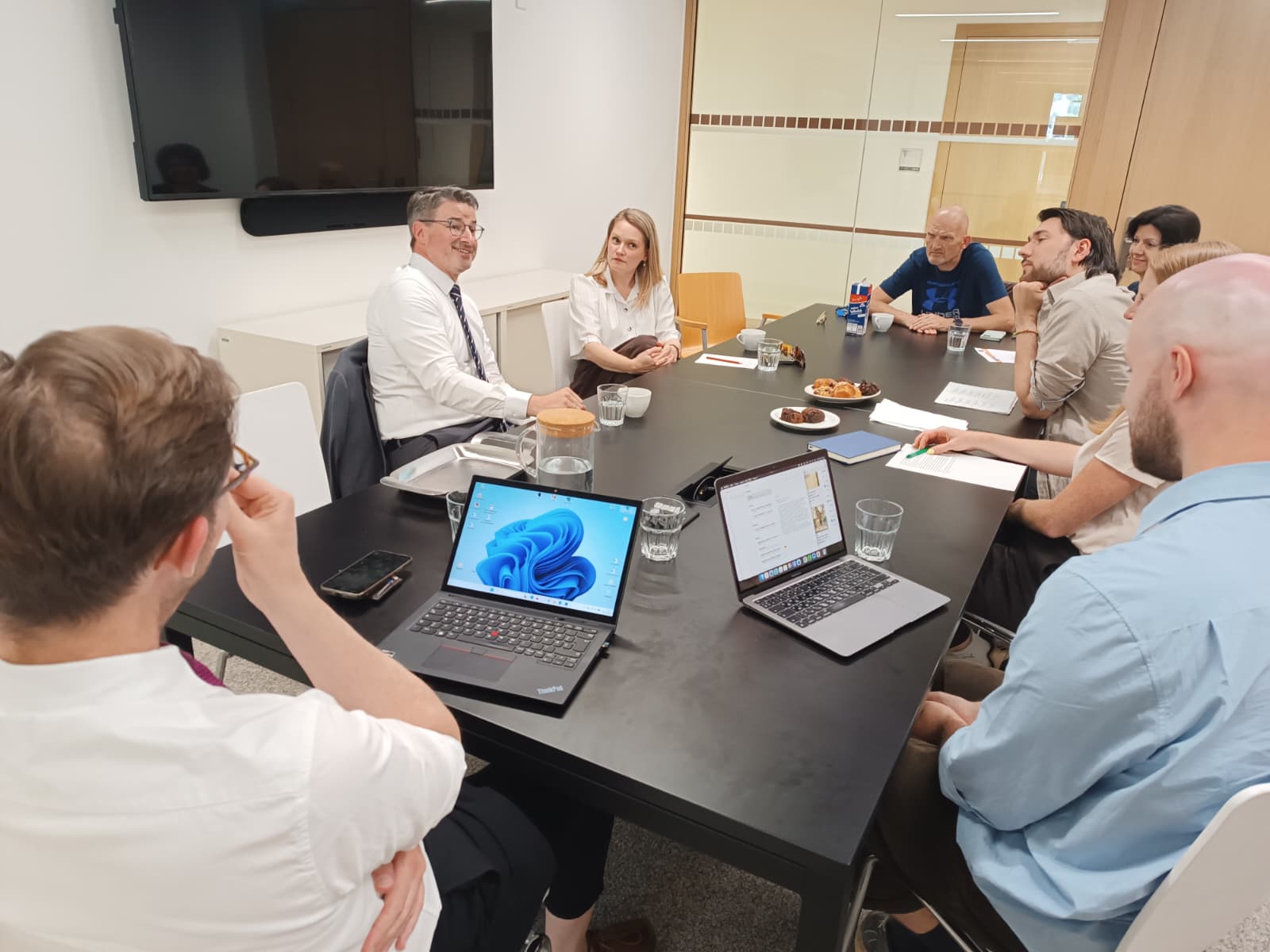
On 8 June 2026, Prof Dr Michaela Wiesinger from the Institute of German Studies (Innsbruck University) visited our SRA. We presented to her in particular those research projects that are closely related to German humanism (Delila Jordan, Ivan Mazhaev, Benedikt Zett), and in turn gained insights into her work, particularly her ERC project “German Arithmetical…
-
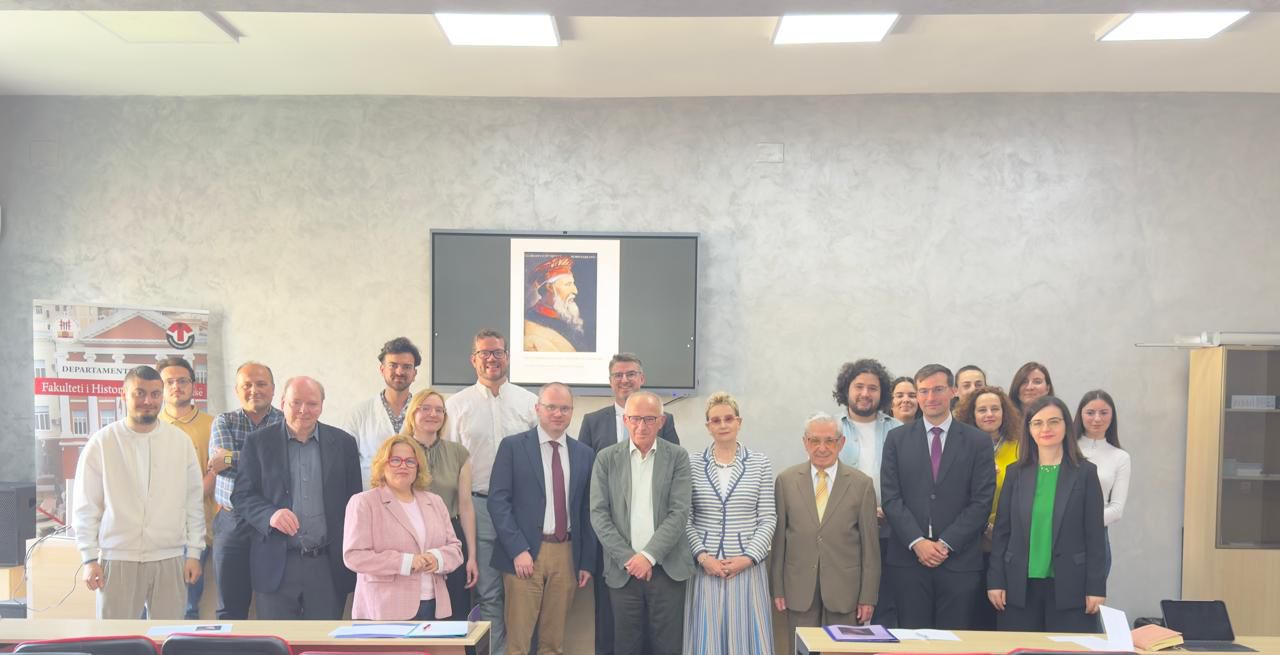
On 21 and 22 May 2026, our related project Scanderbegus Latinus (PI Stefan Zathammer), in collaboration with Prof. Gentiana Kera (Department of History, University of Tirana), hosted a two-day international workshop dedicated to the representation of Skanderbeg in Early Modern literature at the University of Tirana. The workshop was formally opened by Prof. Mark Marku,…